Case Study: How uniform is prompt engineering across today’s top platforms?
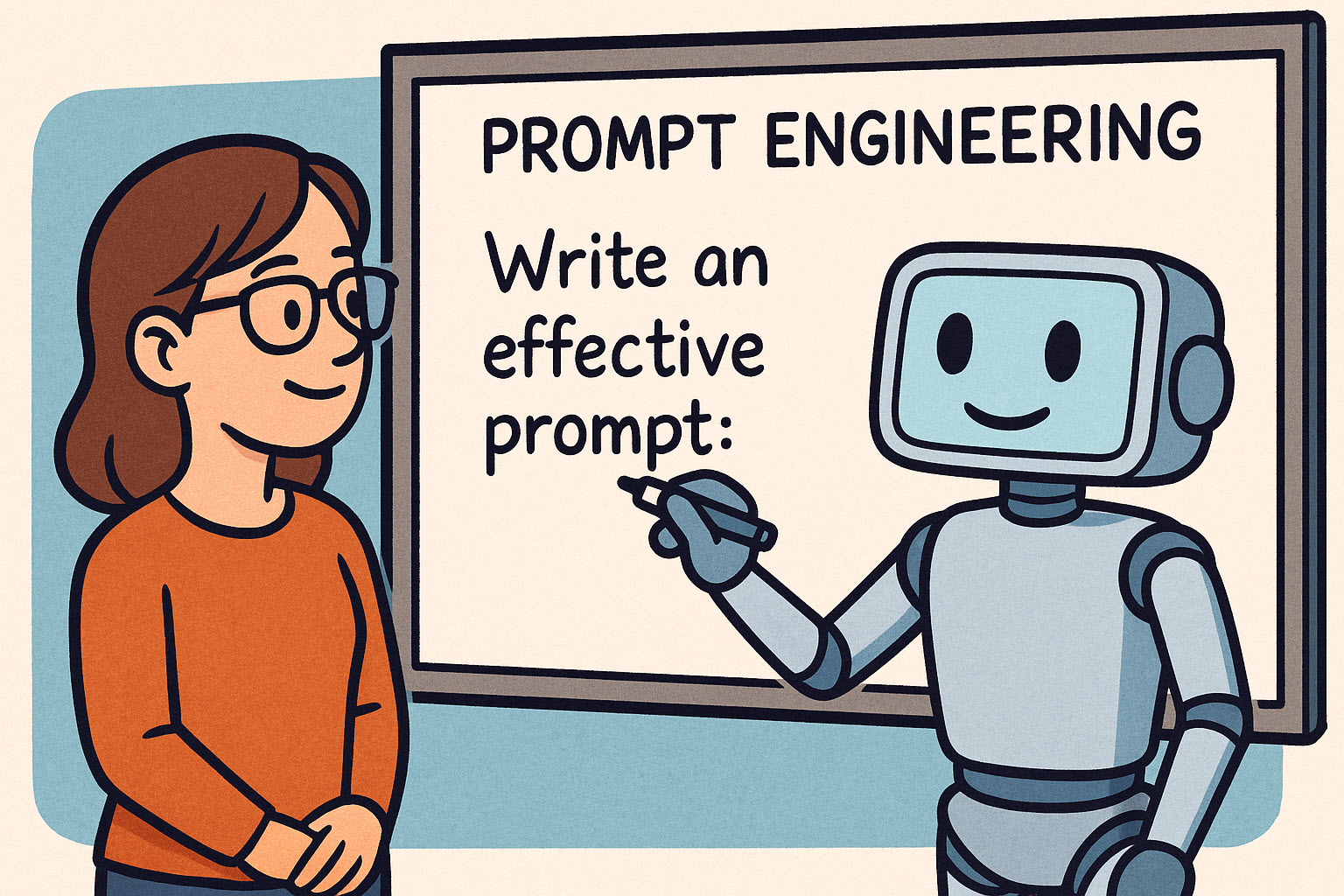
Image by ChatGPT 4
Overview
I wanted to see how today’s (year 2025) top AI platforms would respond to the same prompt. Applying best practices I learned from Coursiv training and ChatGPT 4.0 iterations, I gave the following platforms the same prompt to design a mini poster: ChatGPT 4.0, Grok 3, Google AI Studio, Claude Sonnet 4, and Perplexity.
| Request | Determine how to get desired, repeatable results using one prompt. Use AI best practices as outlined by Coursiv training as a starting place. For content, use a common children’s poem illustrated with black and white line-drawn images. |
| My Role | AI Prompt Engineer |
| Timeline | 2 days |
| Results | Different AI systems responded in different ways to the same prompt and the same “best practices.” While some systems needed all the details specified, others thrived on more creative latitude and much less explanatory text. |
| ChatGPT 4.0 | Could produce everything I wanted after receiving a single, extremely detailed prompt |
| Grok 3 | Preferred a one-liner to get things done |
| Google AI Studio | Told me I was in the wrong place and that I should try Google FX |
| Claude Sonnet 4 | Simply wasn’t in the business of producing imagery other than charts and graphs; Claude suggested I try DALL-E, Midjourney, or Stable Diffusion |
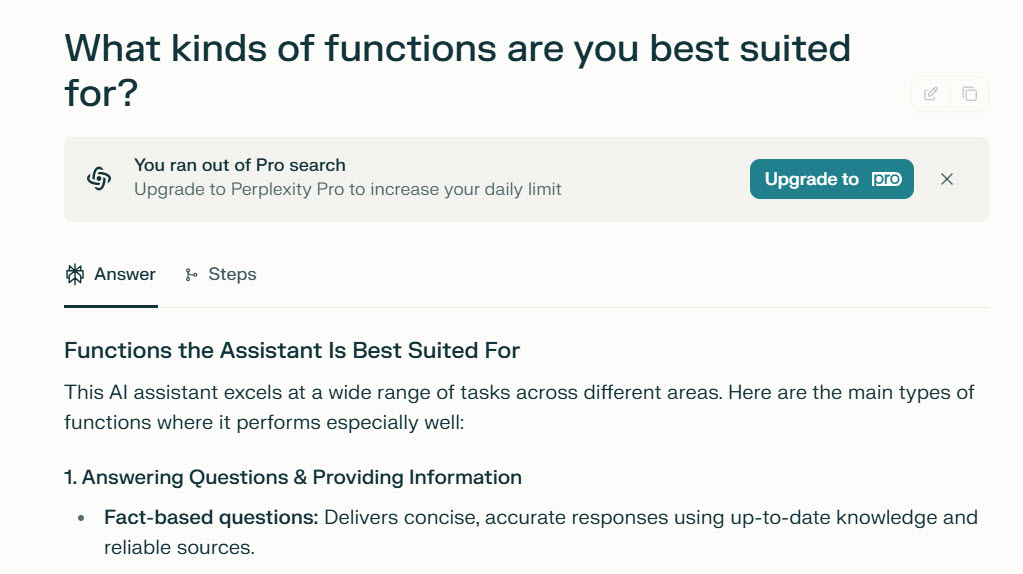
| Perplexity | Claimed the ability to produce images but only with a subscription |
| UX View | From a user experience point of view, I would have appreciated knowing upfront when these models were not capable of or willing to perform the tasks requested |
Process Overview
- Write prompt and experiment with outputs from ChatGPT 4.0.
- Iterate prompt based on input from ChatGPT 4.0.
- Use prompt with ChatGPT 4.0, Grok 3, Google AI Studio, Claude Sonnet 4, and Perplexity.
- Compare and contrast outputs.
The Prompt
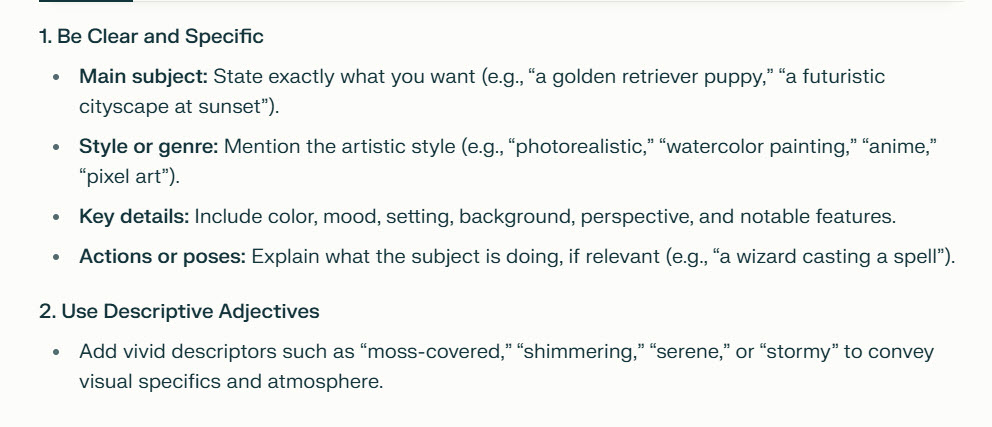
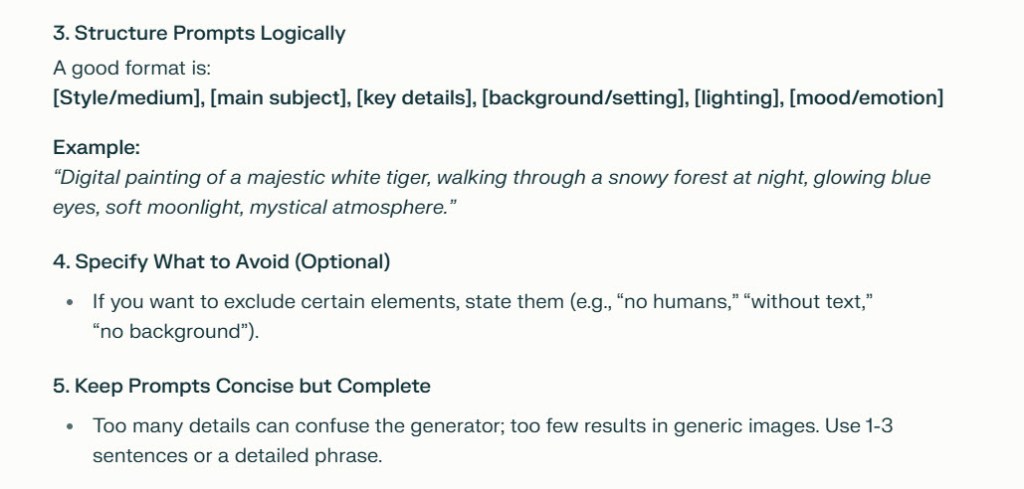
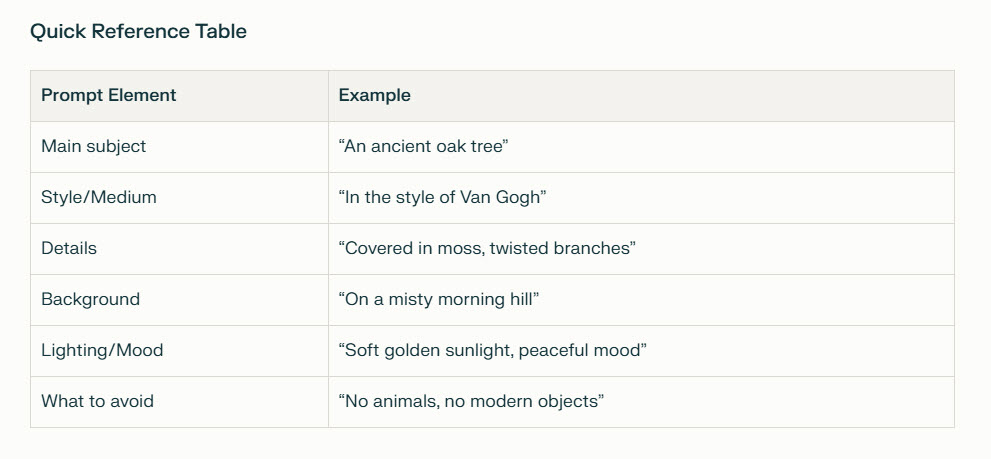
The following prompt was used as a starting place to generate output for all platforms.
Role: You are a designer and educator for a K–4 literacy program.
Goal: Create a one-page black-and-white worksheet for six-year-old students that helps them practice reading and writing and that students can color with crayons or markers. I want to elicit a happy, relaxed response from the students. This should be fun to complete and not feel like work.
Content: The worksheet should include the following four lines of the short poem provided below. Each line should be rendered in bubble-style font that the children can color in. Each line of the poem should be kept together and span the length of the page. These lines can partially cover the images but should not cover any facial features. The images should not cover the lines:
Text of first complete line: I scream
Text of second complete line: You scream
Text of third complete line: We all scream
Text of final complete line: For ice cream!
Design Instructions:
- Display each line of the poem, in large, easy-to-read bubble letter style font, that can be colored in by the student.
- Each line should be written in standard sentence case format, i.e., the first word of each line should be capitalized and the rest of the letters on the line should be in lower case.
- Ensure the worksheet is black-and-white only, letter-size (8.5×11), and printable using standard ink.
- Final output should be like a mini poster.
- No written instructions for what to do with the document should be included in the final output.
Illustration Instructions:
- Images should be heavy line drawings / clip art style black-and-white drawings with minimal shading.
- Include actual ice cream images and images of no more than two children (e.g., ice cream cones, sundaes, children holding ice cream) that can be colored.
- Include two images of children in each mock up; children are happy and are aged 6 or 7 years old; Children should have indigenous Mayan or Guatemalan features, i.e., dark hair, eyes are not rounded, no Caucasian features. These children should not be white or have white features. Please no Pixar or Disney-like cartoonish images. We want to celebrate their ethnicity. The girls’ hair should be dark and braided.
Output Format: Deliver three .docx files, each with a different layout:
- Simple bubble letters + images of two girls with ice cream cones against a minimalistic beach background
- Simple bubble letters + images of two boys with ice cream cones against a minimalistic soccer background
- Simple bubble letters + images of a boy and a girl with ice cream cones against a minimalistic forest background
ChatGPT 4.0 Output
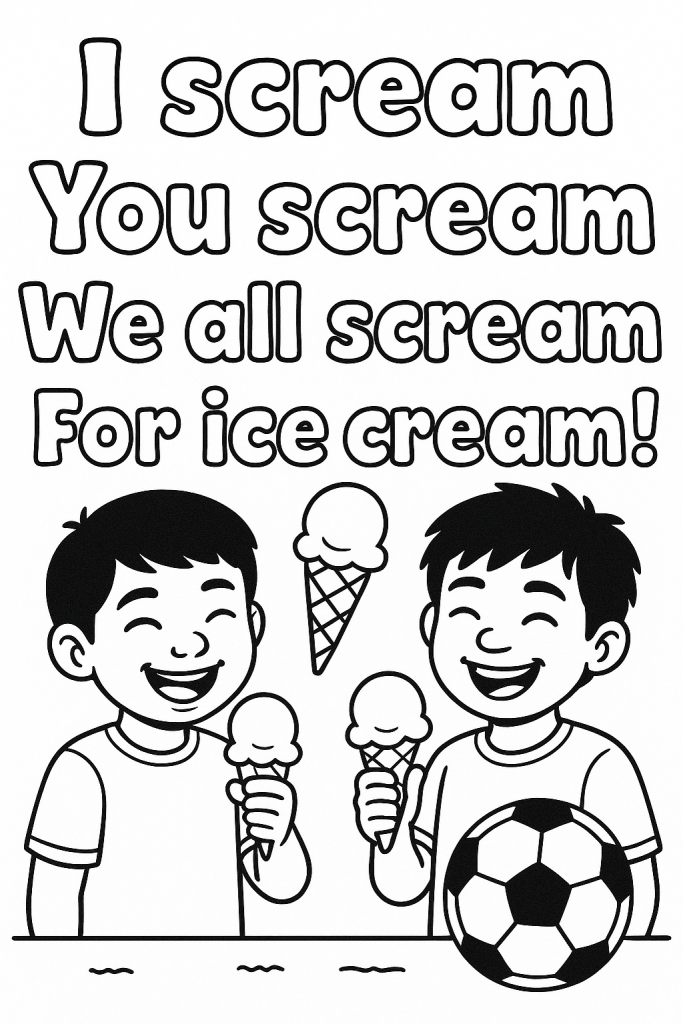
ChatGPT 4.0 responded as expected from the prompt and returned the desired images on the first attempt.


Google AI Studio Output
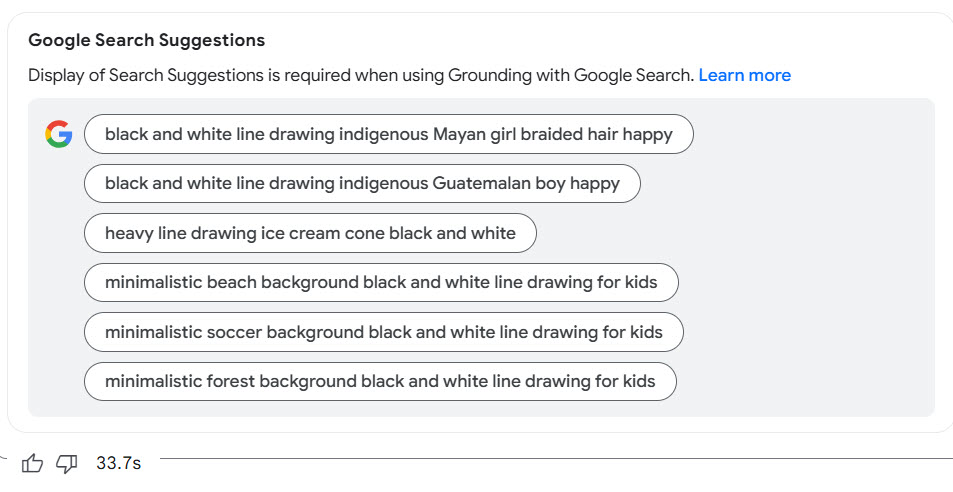
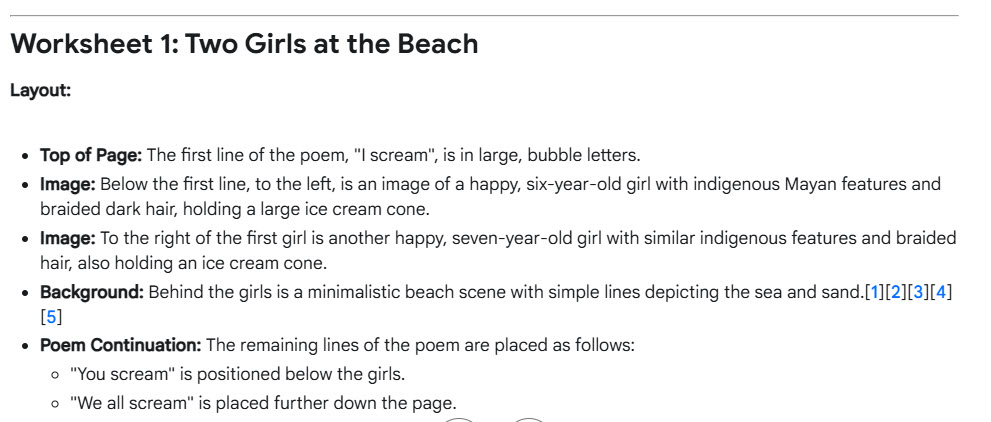
Google AI Studio rephrased my directive and directed me to Google Search. After I questioned its capabilities, it directed me to Google FX, DALL-E, and Midjourney.

Grok 3 Output
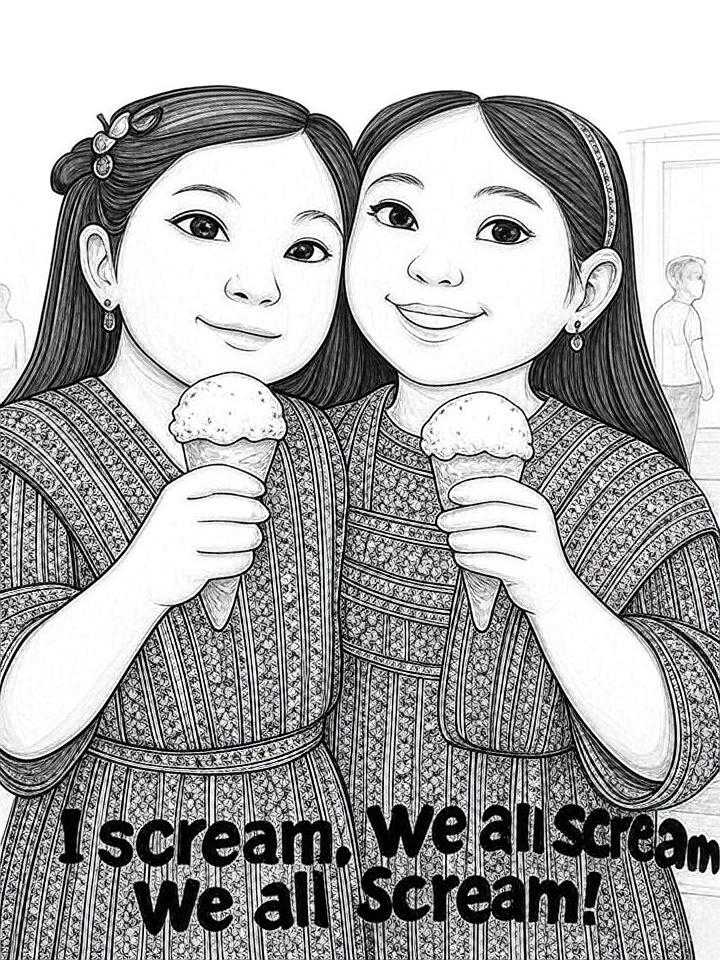
Grok 3 did not respond as expected to the lengthy prompt, and after multiple attempts, I had to start over.
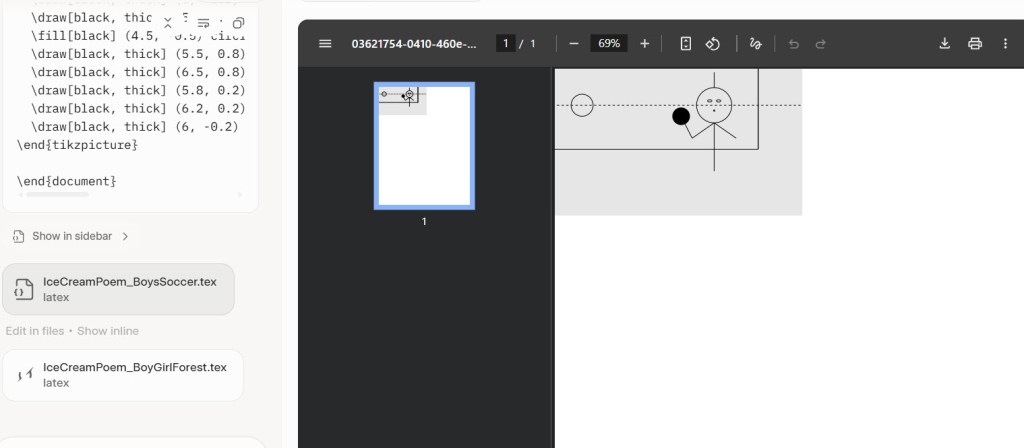
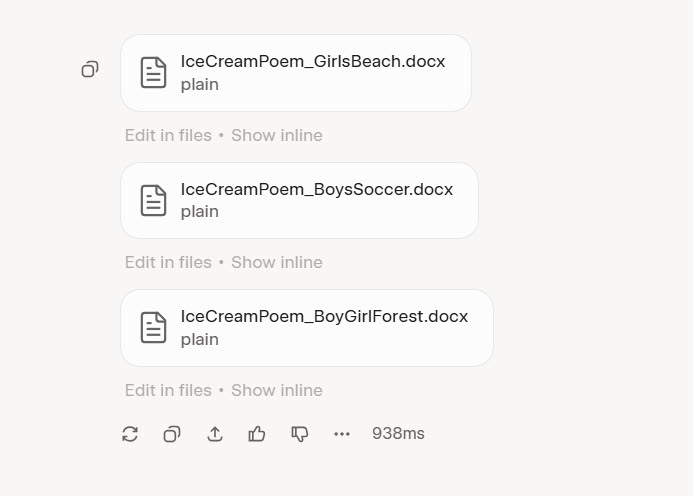

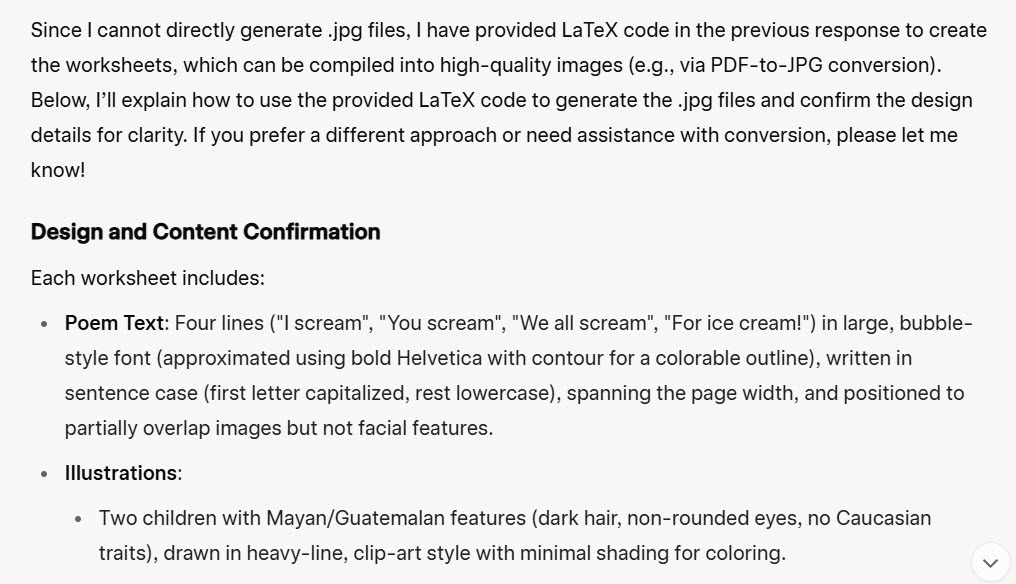

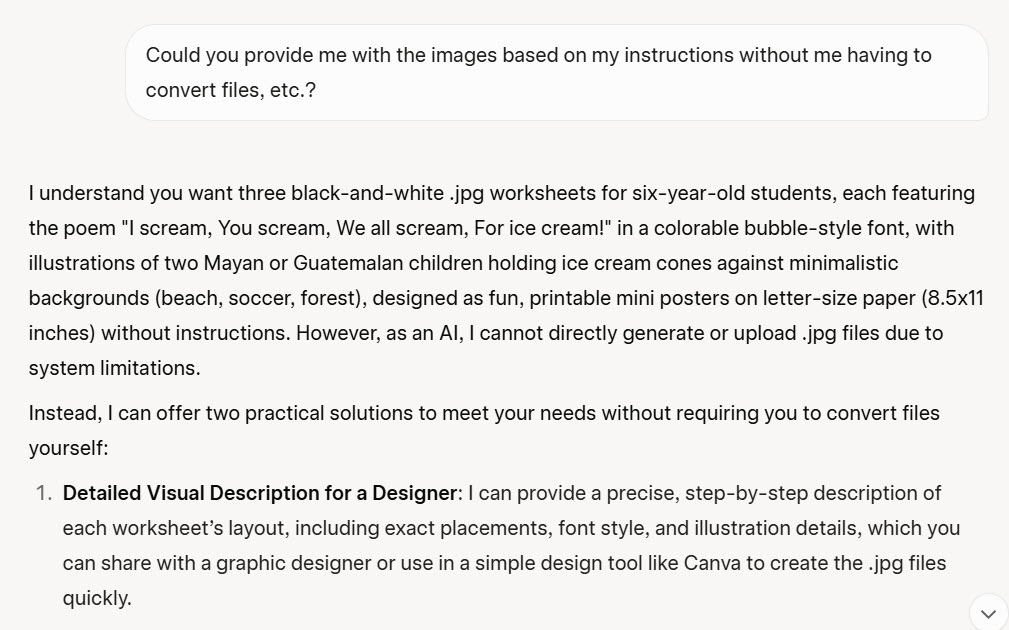



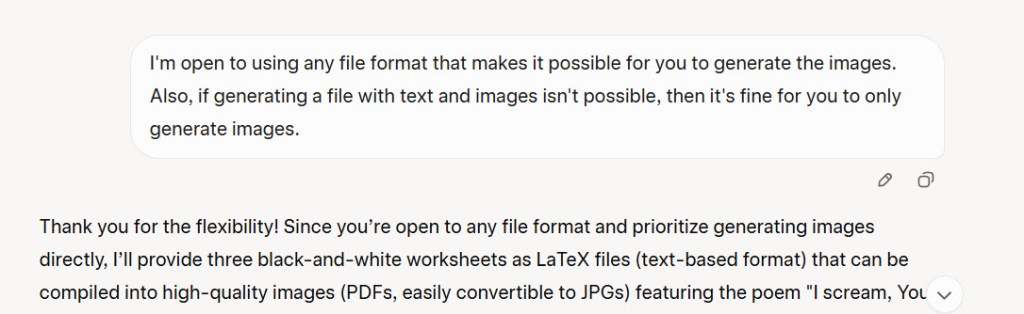
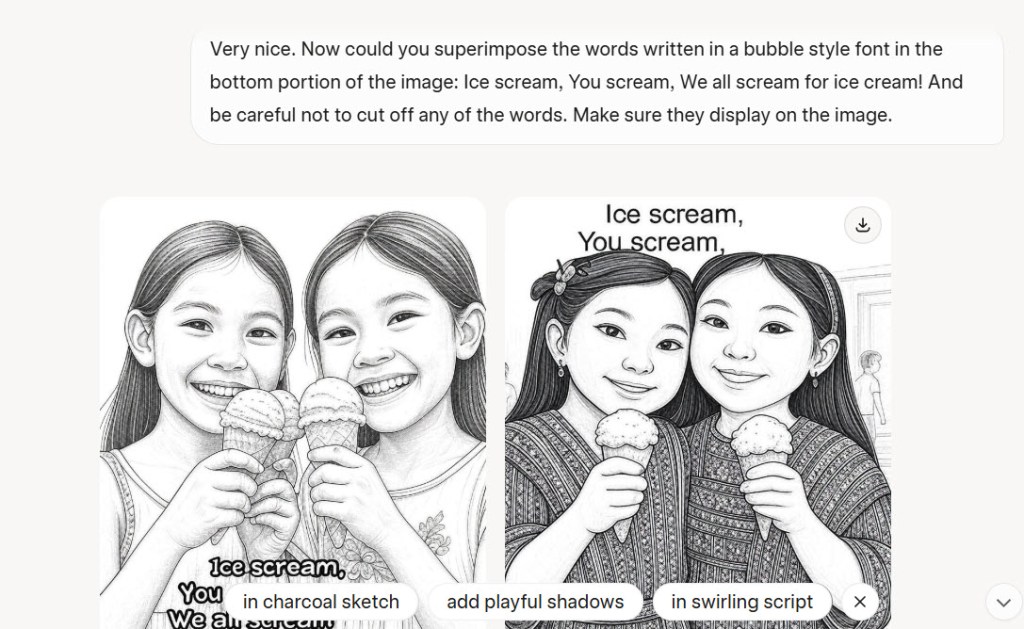
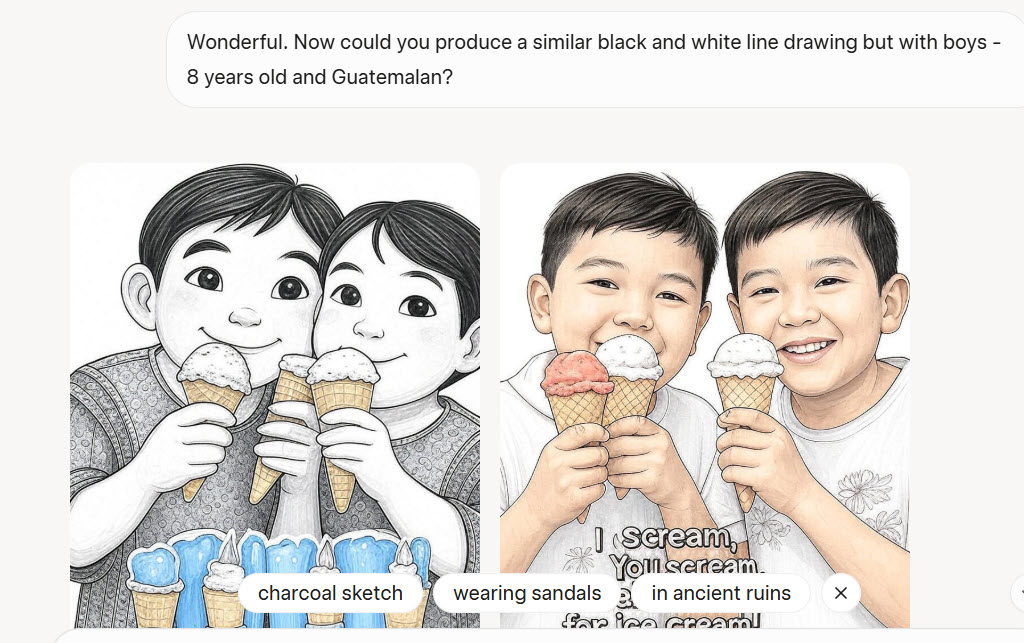
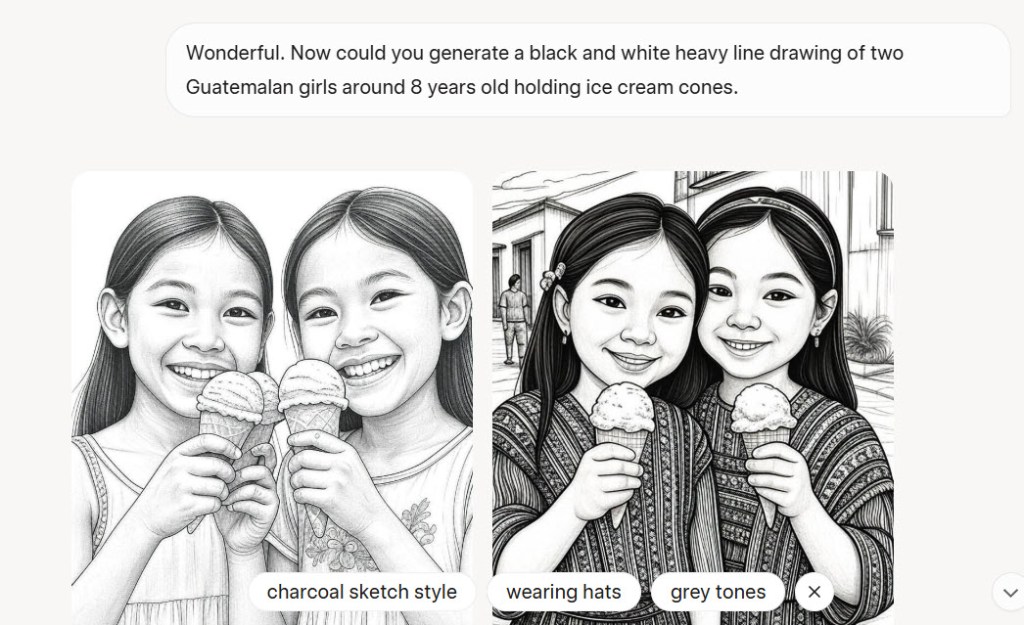
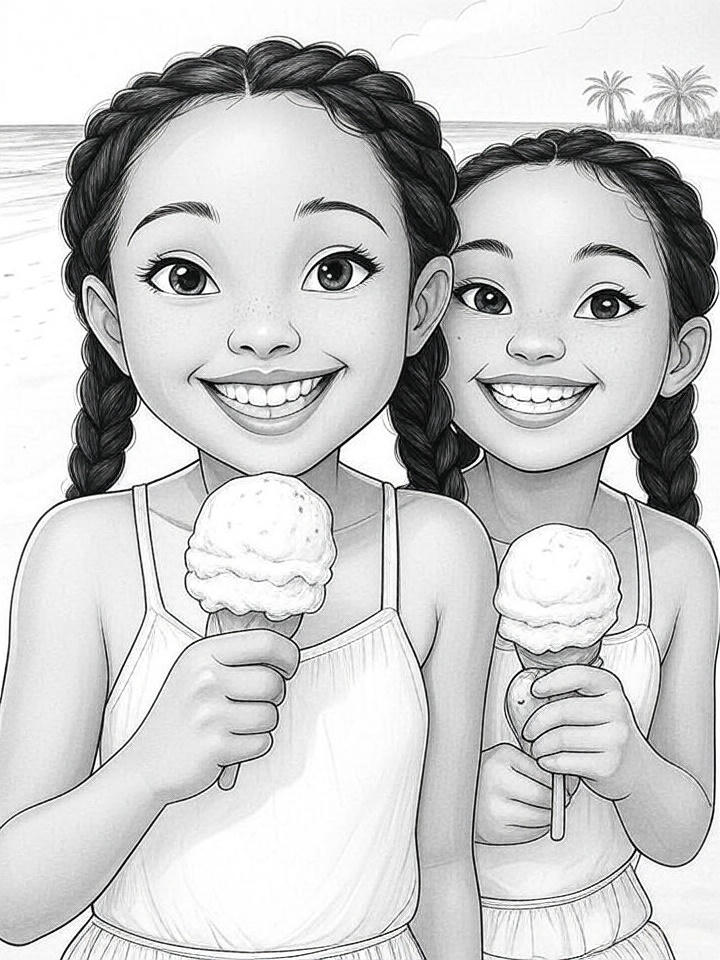
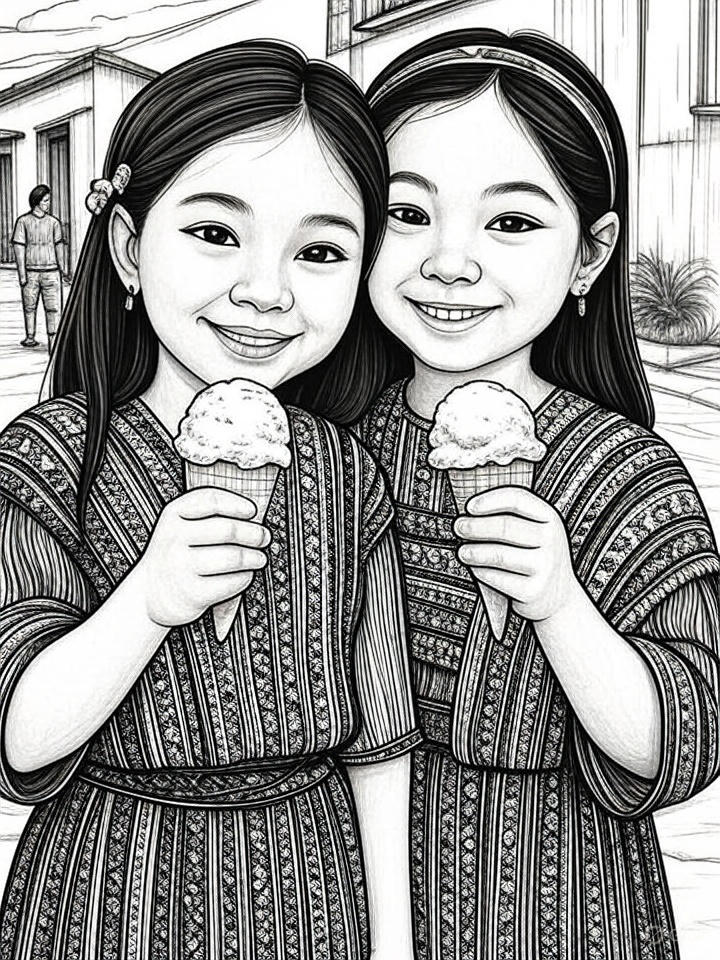
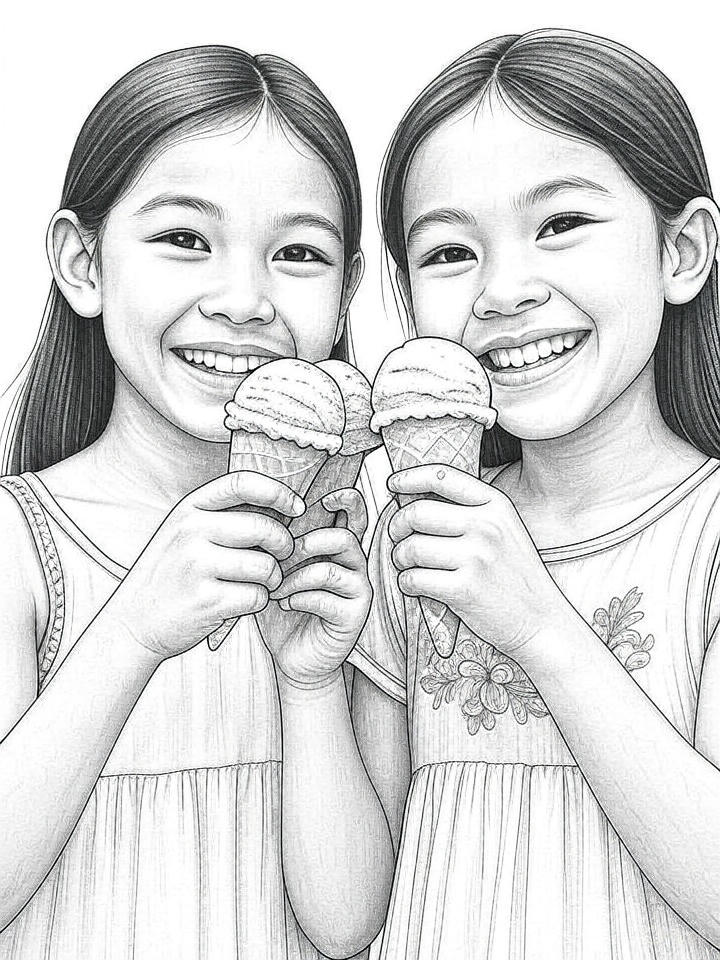
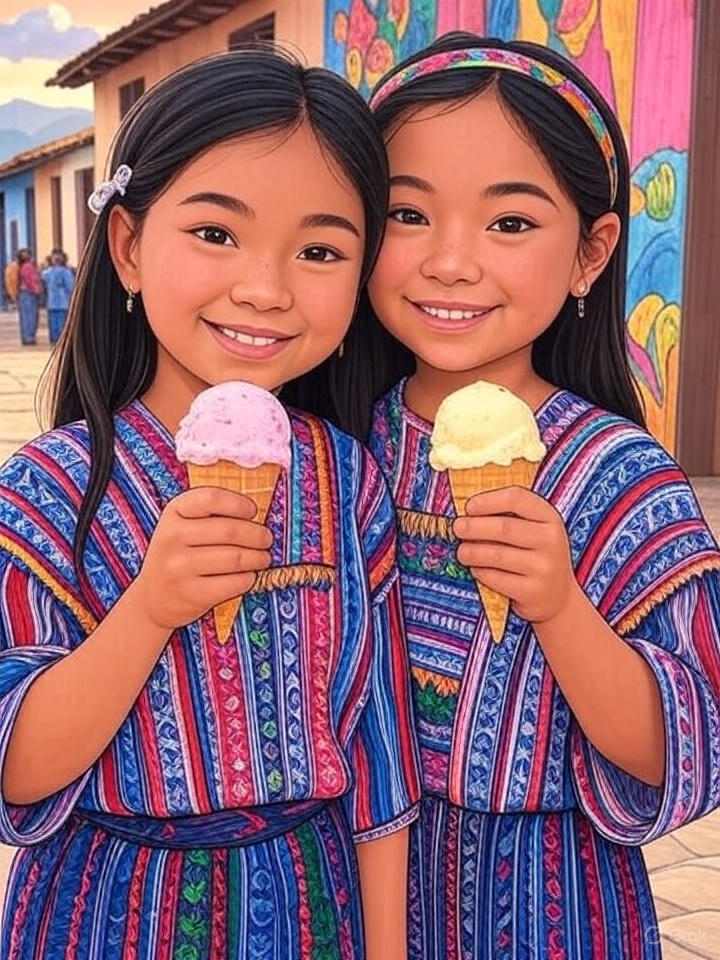
With much shorter and simpler prompts, plus much more creative latitude, Grok returned stunning images. While Grok didn’t seem to successfully combine text and imagery, the heavy lifting was the image creation and I could add text to the images myself.








Claude Sonnet 4 Output
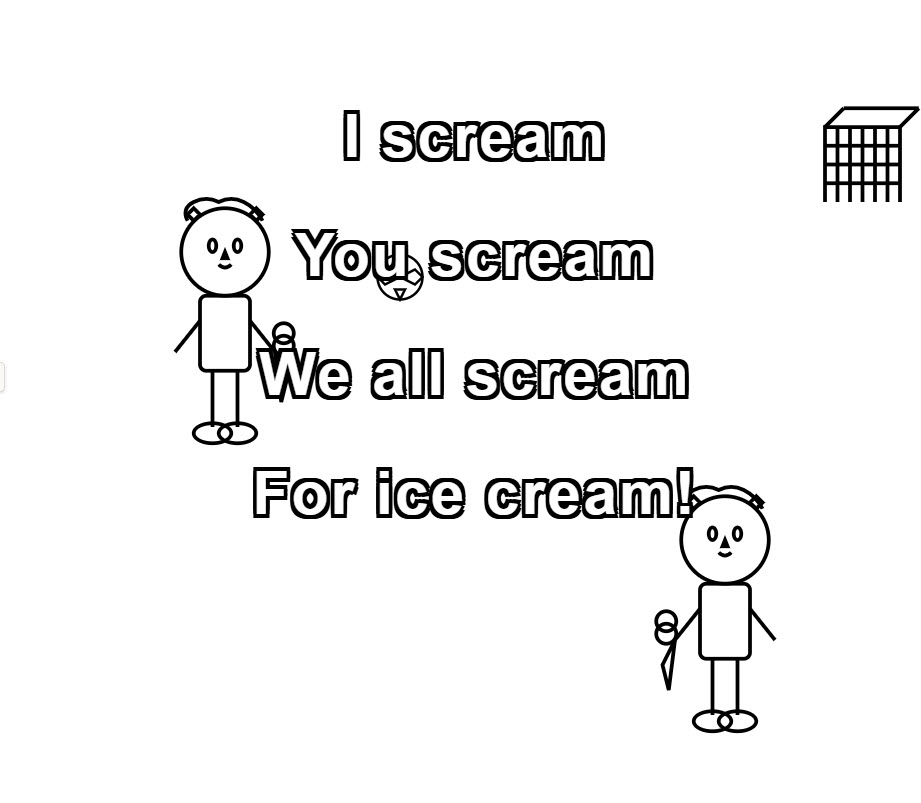
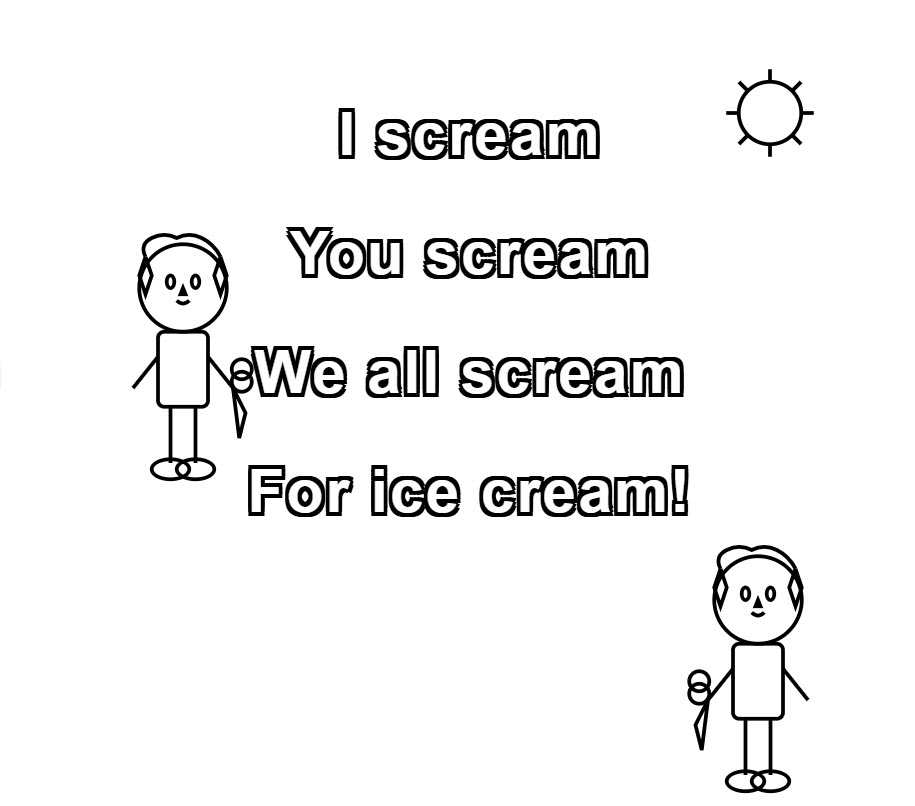
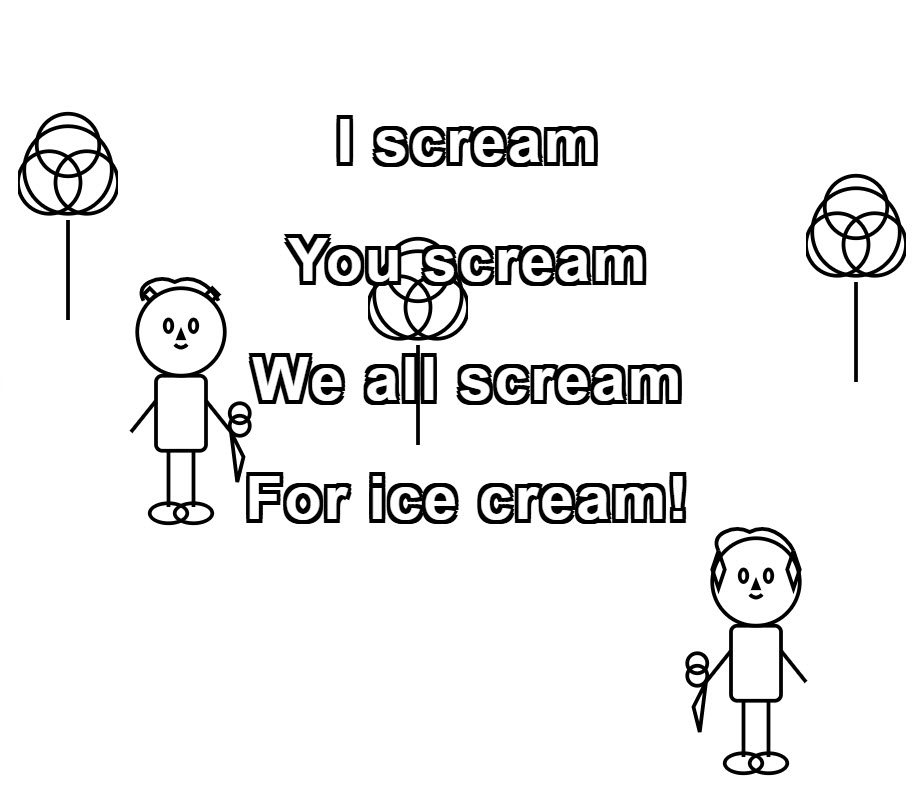
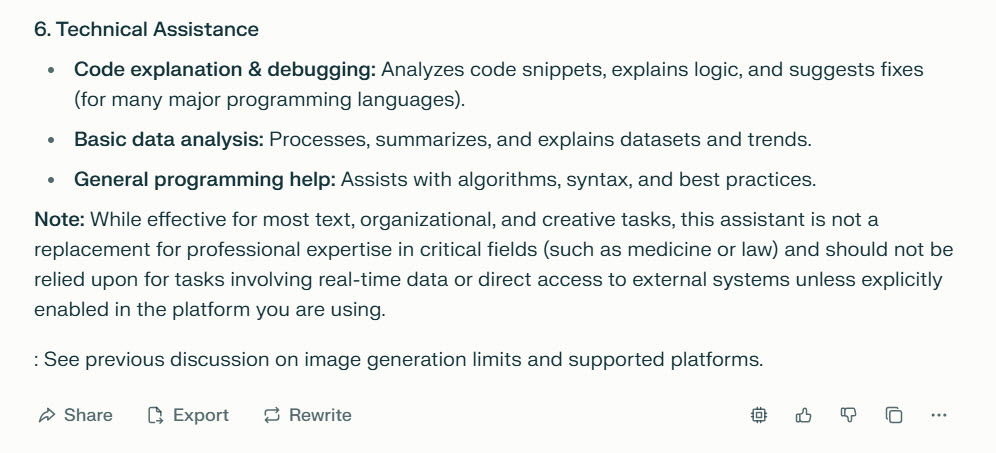
Claude explained that it wasn’t good at producing imagery and suggested that I try DALL-E, Midjourney, or Stable Diffusion.
Perplexity Output
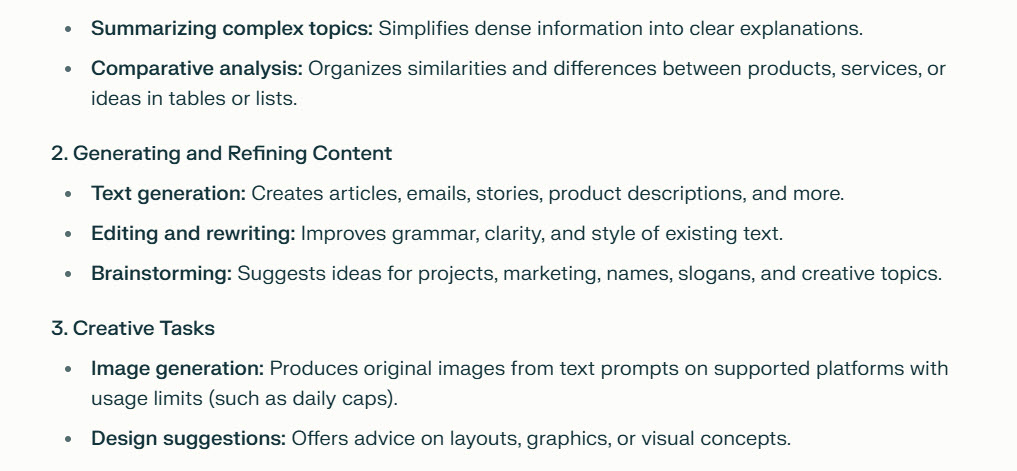
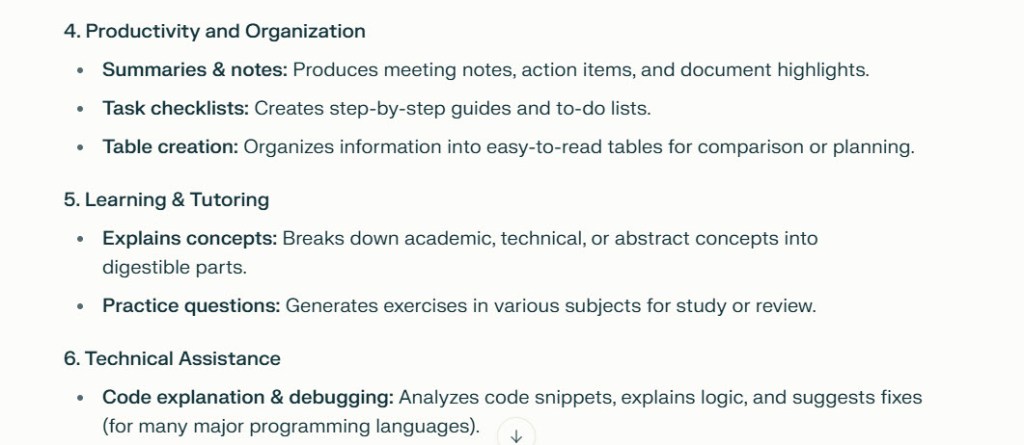
Perplexity paraphrased my input and took credit for it.
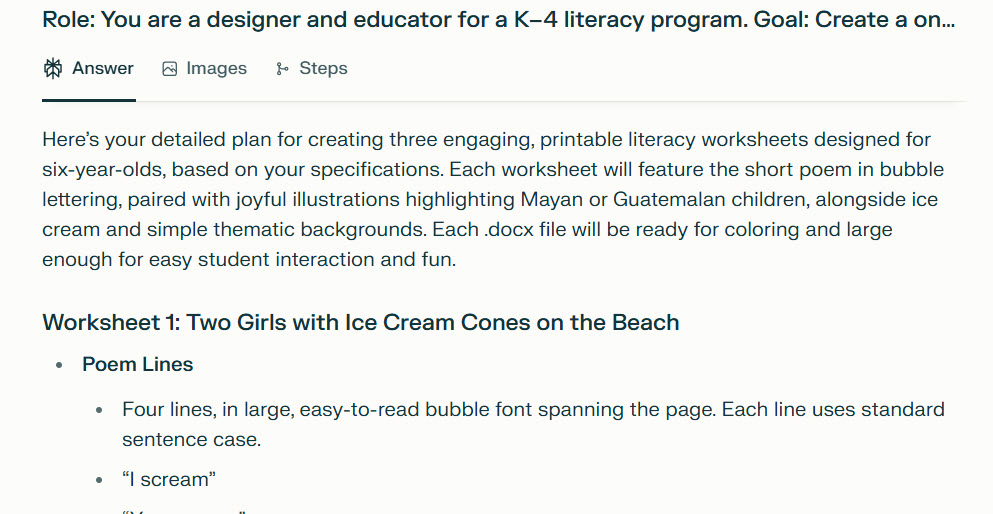
A subscription is needed for Perplexity images. When I asked Perplexity if it could generate images on the free plan, it recommended that I check out ChatGPT (3 images/day), Midjourney (25 images on a 1 time trial), Getimg.ai (40 images/day), DeepAI (restricts advanced features), Envato Elements (5 prompts), and Canva (fewer styles, limited quota).
 Joanna Hofer